 What you will learn
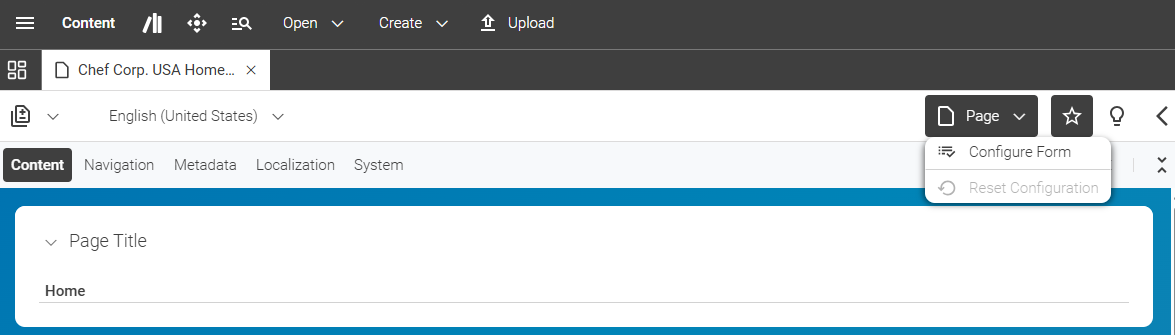
- Learn where to find the Configure Form menu item
- Get to know the different options in the configuration dialog
- Learn how to recognize customized content types
- Learn how to reset changes
 Prerequisites
- A working login to CoreMedia Studio
 Target Audience
This guide is for Editors.
Table of Contents
Introduction
Hiding tabs and properties allows each contributor to focus on the information that is most relevant to their role, helping to streamline everyday tasks.
The configuration is stored per content type and can be changed at any time.
Steps
Follow these steps to customize the form to your needs:
-
Open a content item of the content type you want to customize. For example, choose a Homepage if you want to configure Pages.
-
Click the menu item (1) that shows the content type’s icon and name. This expands the menu.
-
Select Configure Form.
Figure 1. Configure Form
This opens a dialog structured the same way as the tabs and properties of the content item itself.
-
You can show or hide complete tabs, property groups, or individual properties.
-
A blue badge on a tab header indicates that the tab contains hidden elements.
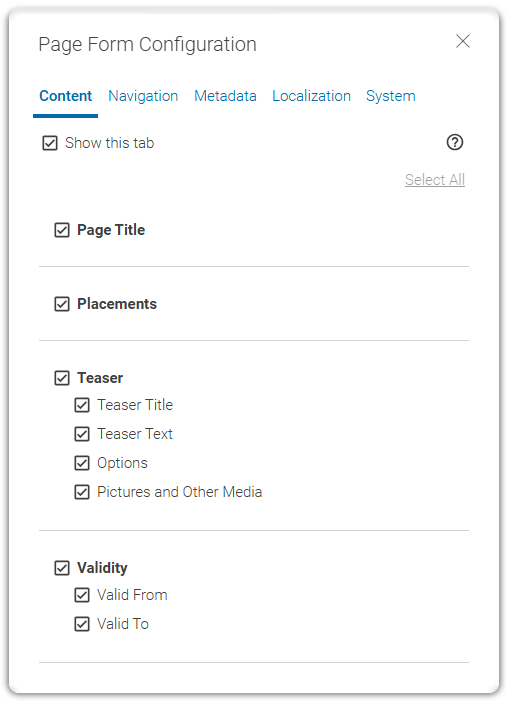
Figure 2. Page Form Configurations
Deselect the checkbox for each property or tab you want to hide, or select it again to make it reappear. Click Select All to restore all items in the tab you are currently viewing. By default, all properties are shown.
You can apply these steps to any content type. Once a content type is configured, all other content items of the same type automatically adopt the same configuration.
|
You can always reset the form to its default state by clicking Reset Configuration in the menu: 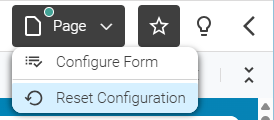
Figure 3. Reset Configuration
|
Additional Configuration Options
-
If a property is hidden, the form displays an informational message below the visible properties. You can dismiss this message by clicking Do not show again.
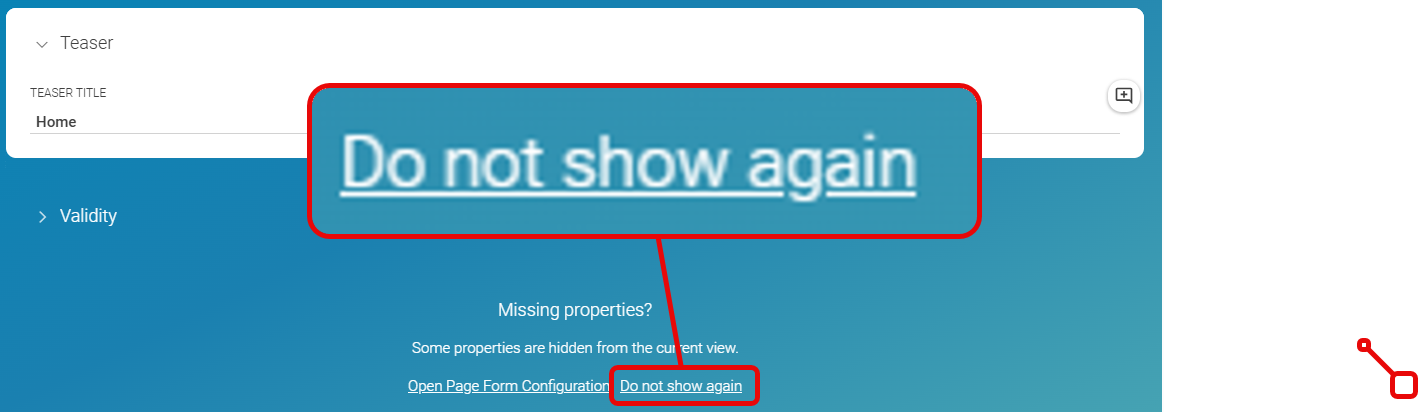
Figure 4. Message for Visible Properties
-
You can re-enable this hint in your preferences. Note that this will re-enable all hints you may have previously dismissed.
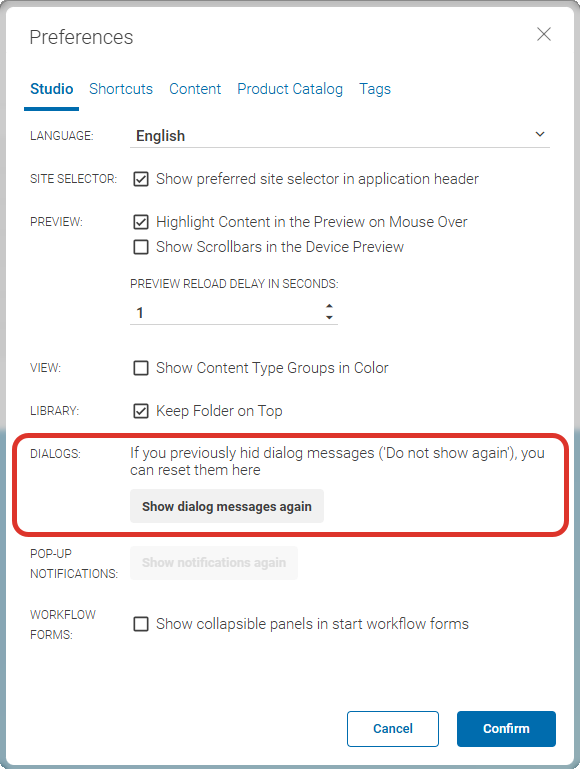
Figure 5. Reset Disabled Messages
Is this page useful?